One of the reasons I started Carr Tries New Things is simple: I wanted a place to celebrate both my wins and my mistakes.
I use the word celebrate intentionally. Trying something new gives me an ego boost. It challenges me. It hits that little dopamine button in my brain. There’s pride in attempting something unfamiliar, even when I do not know how it will turn out.
But there is something deeper, too.
Trying new things teaches me about myself. As self-aware as I like to think I am, I have blind spots. Curiosity helps uncover them. Sometimes I notice strengths I did not realize I had. Other times, I run straight into weaknesses I can either accept—or work to improve.
My Sourdough Reality Check

Last year, I decided sourdough bread would be my thing.
I committed. I made my own starter from scratch and fed it daily for nearly a month. I followed TikTok experts religiously. I chose a “simple, beginner-friendly” sourdough recipe. This loaf was meant to be the star of our New Year’s Eve dinner.
I stretched. I folded. I shaped. I baked.
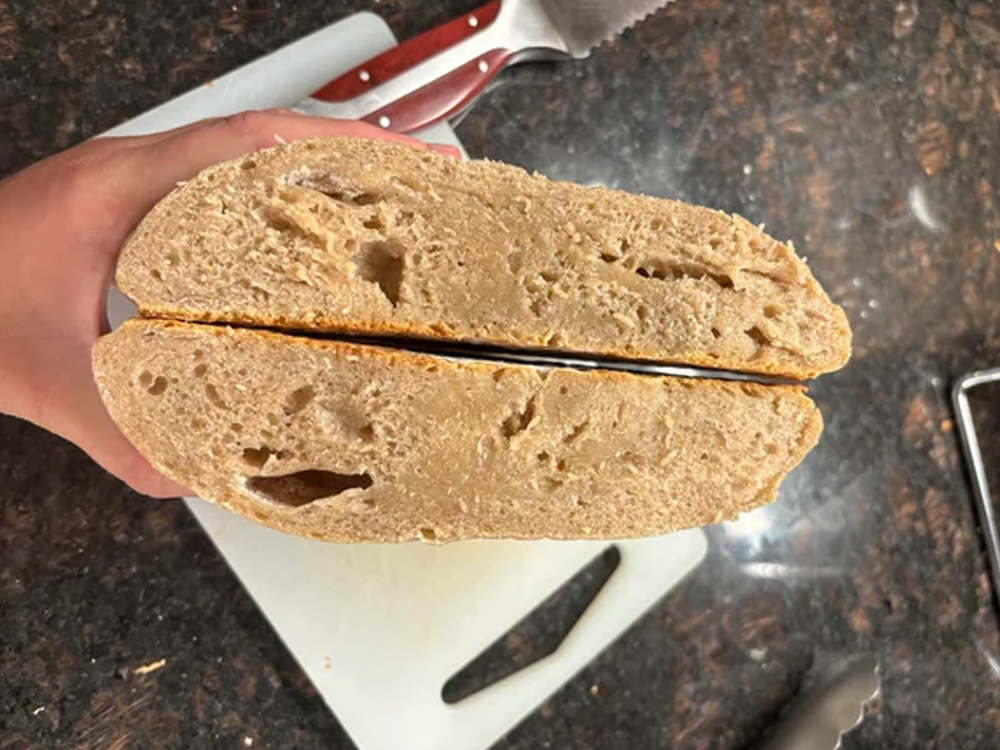
What came out of the oven looked like a slightly bloated disc golf Frisbee.
The inside? Gooey. Dense. Raw in places. A total miss.
After retracing my steps, I spotted the mistake: I skipped the bulk fermentation before refrigerating the dough. That one step—arguably the step—was the difference between bread and disappointment.
Here’s the interesting part: I did not fail at sourdough entirely.
I successfully made a starter. That alone is a win.
The mistake revealed something else about me. I struggle with multi-step processes when I do not slow down and respect each phase. I get excited about the outcome and rush past the boring but necessary middle.
That lesson followed me straight into my work life.

The Bread–Work Connection I Did Not Expect
In my professional life, I oversee a wide range of projects. I often describe my role as being a mile wide and two inches deep. That works—until it does not.
Some projects demand more depth. They require patience, sequencing, and an understanding of how one step affects the next. Sourdough made it painfully clear that skipping steps does not just delay success—it sabotages it.
Another parallel surprised me: timing matters more than effort. I worked hard on that loaf. I did not work wisely. In both bread and leadership, effort without process rarely delivers the result you promise.
And finally, sourdough reminded me that feedback is information, not judgment. A flat loaf is data. A missed deadline or revision request is the same. When I treat mistakes as signals instead of personal failures, I get better faster.
Why I Keep Following My Curiosity
As I approach midlife, curiosity has become less about proving something and more about learning something.
Trying new things gives me joy. It creates connection. It keeps my brain awake. Whether it’s baking, building, testing gear, or learning a skill I once told myself I was “not good at,” each attempt teaches me something useful—even when it flops.
Especially when it flops.
If you have ever thought about trying something new but talked yourself out of it because you might fail, consider this your nudge. Failure is not the opposite of success. It is part of the process—just like bulk fermentation.
Thanks for following along as I keep experimenting, learning, and occasionally pulling Frisbees out of the oven.
If you want to start your own Sourdough adventure, check out some of my most-used supplies below.